Electric Bikes vs. Traditional Bicycles: Which One Best Fits Your Lifestyle?
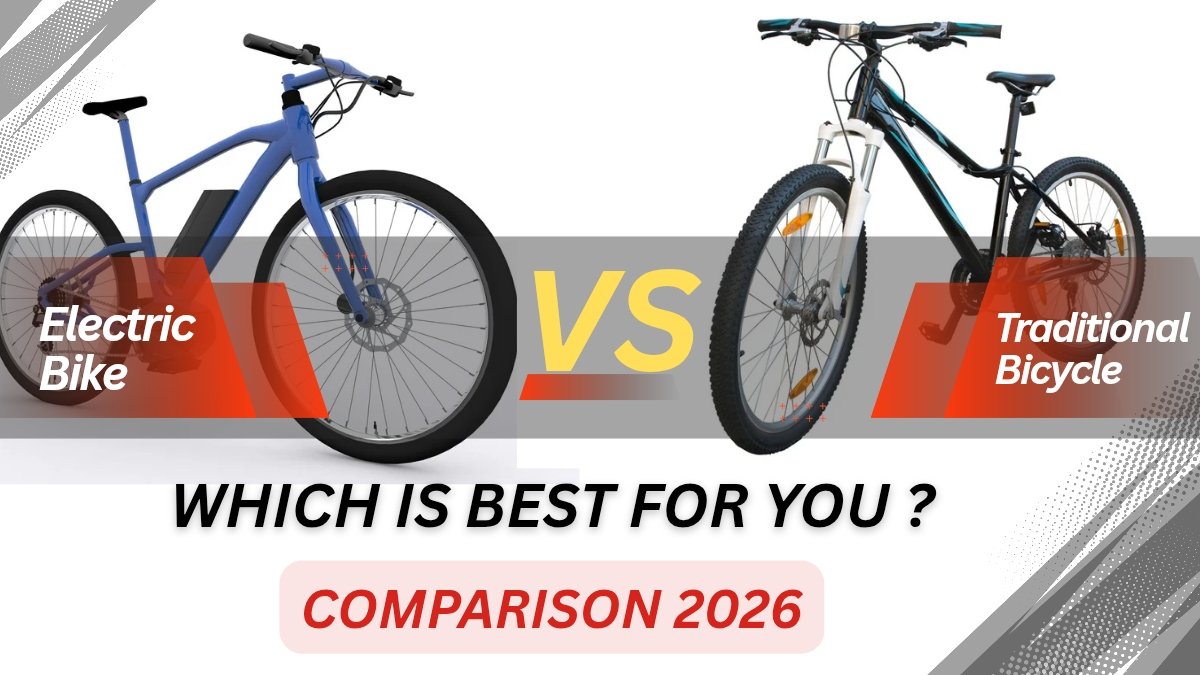
Choosing between an electric bike (e-bike) and a traditional bicycle comes down to understanding two fundamental approaches to personal transportation. On one hand, conventional bicycles rely entirely on human power. They are lightweight, budget-friendly, low-maintenance, and ideal for serious physical fitness. On the other hand, e-bikes incorporate an electric motor and a rechargeable battery system, … Read more
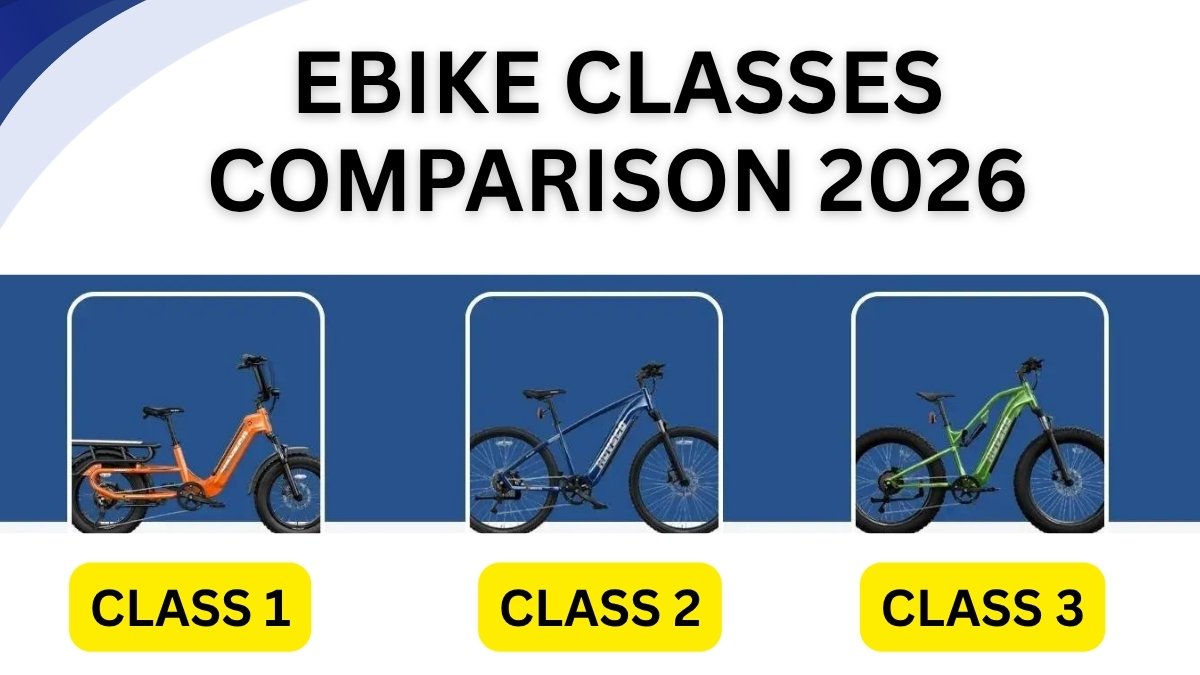
Class 1, Class 2, and Class 3 E-Bikes: What is the Difference?

If you’re shopping for an electric bike, you’ll quickly notice that e-bikes aren’t all built the same. Manufacturers and local transportation authorities divide electric bicycles into three distinct legal categories: Class 1, Class 2, and Class 3. Understanding the difference between these three classes is critical before you spend your hard-earned money. The class determines … Read more

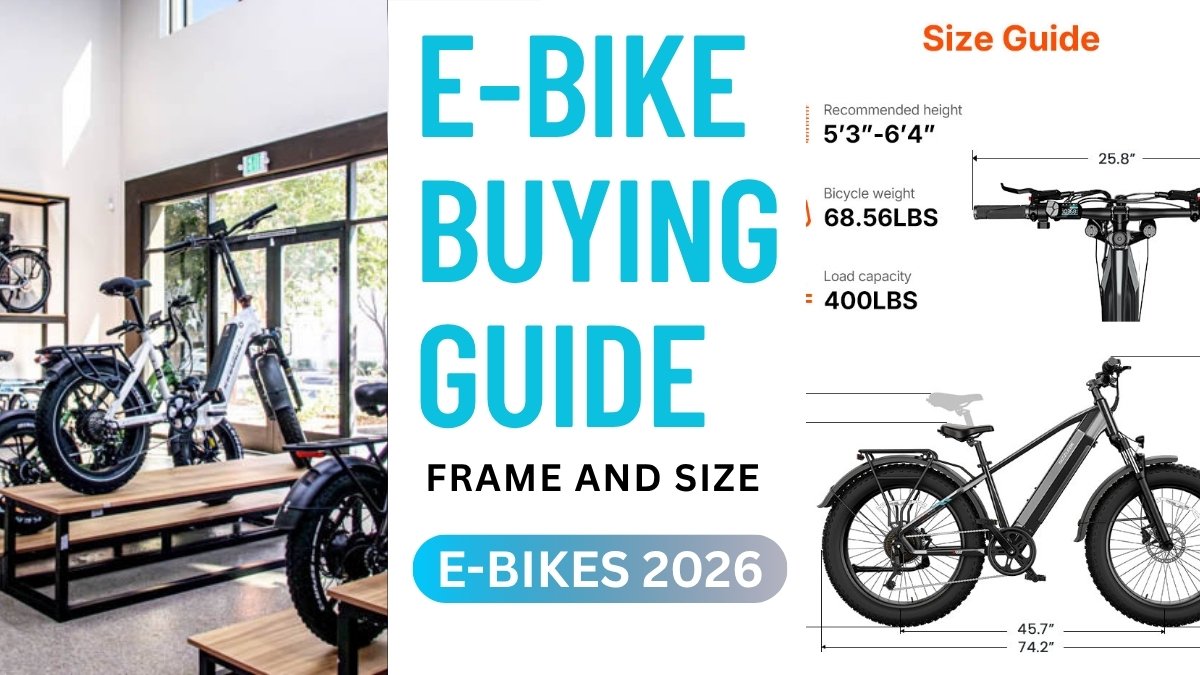
E-Bike Buying Guide: How to Choose the Right Frame and Size

Selecting the correct frame style and frame size is the most crucial decision you will make when buying an electric bike. Unlike traditional bicycles, e-bikes carry extra weight from the battery and motor, travel at higher average cruising speeds, and are frequently used for longer continuous commutes. Riding an incorrectly sized or poorly matched e-bike … Read more

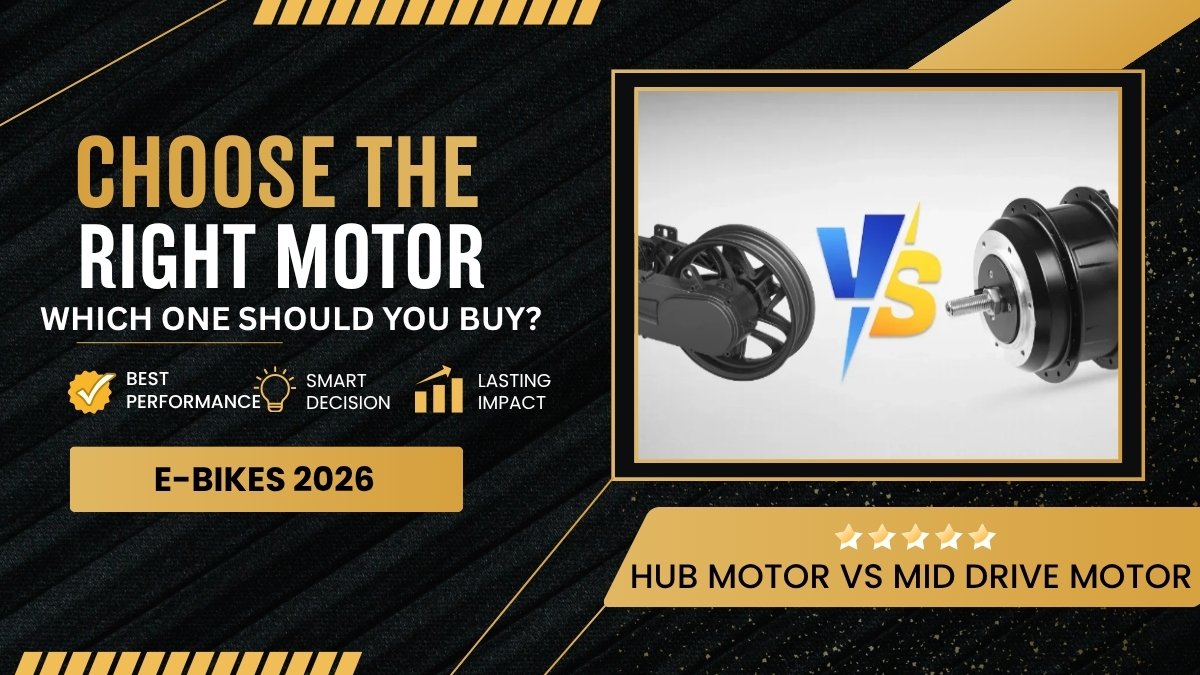
Hub Motor vs. Mid-Drive Motor: Which One Should You Buy?

Choosing the right motor is the single most important decision you will make when purchasing an electric bike. The motor dictates how power is delivered to the ground, how the bike handles through tight turns, how efficiently it climbs steep hills, and how much long-term mechanical maintenance it will require. The two primary motor designs … Read more

Winter E-Bike Storage: Essential Tips to Protect Your Battery and Motor

Cold winter weather presents unique challenges for electric bicycles. Sub-zero temperatures, freezing moisture, road salt, and long periods of standing idle can severely damage your e-bike’s most critical components—specifically the lithium-ion battery pack and electric motor. Without proper seasonal preparation, winter storage can lead to permanent battery capacity loss, fried motor controllers, frame rust, and … Read more

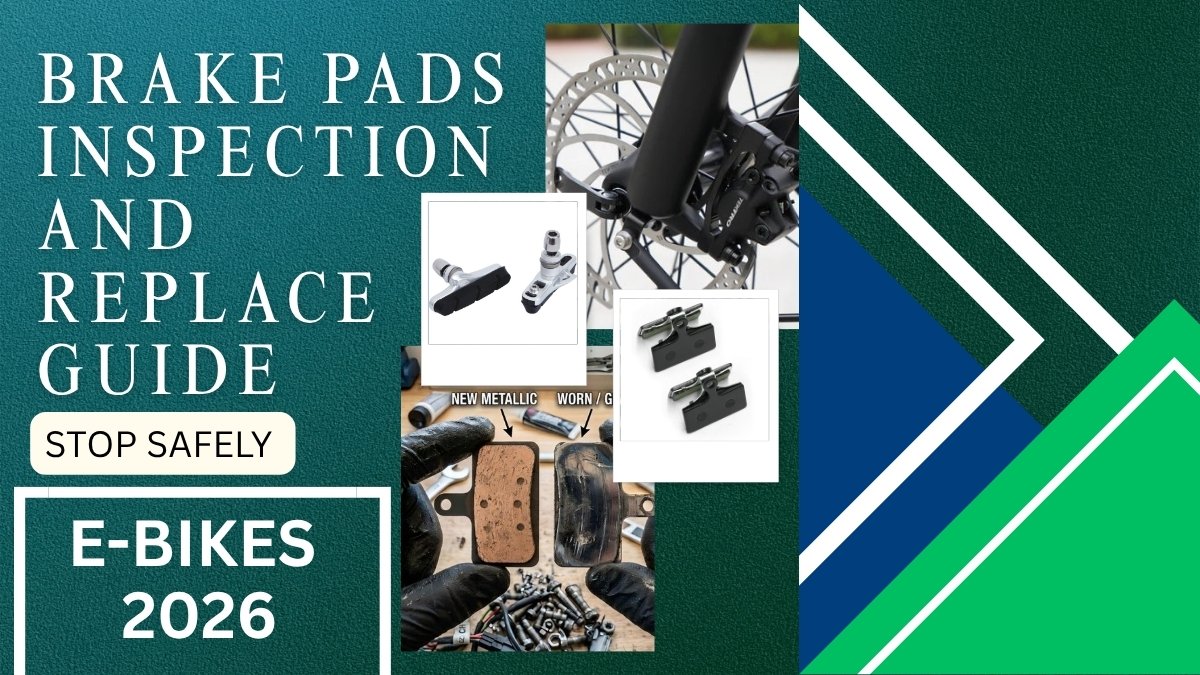
How to Inspect and Replace Worn-Out E-Bike Brake Pads: Step-by-Step Guide

Electric bicycles travel faster and carry significantly more weight than traditional pedal bikes. The combination of rider weight, powerful motor torque, and a heavy battery pack generates high kinetic energy that relies almost entirely on your braking system. Because e-bikes subject brake pads to intense thermal friction and accelerated wear, routine pad inspections and timely … Read more

E-Bike Battery Care Guide: How to Make It Last for Years

The lithium-ion battery is the single most expensive component on an electric bicycle, often accounting for a third or more of the bike’s total value. While every rechargeable battery naturally degrades over time, how you charge, store, and ride with your battery directly determines whether it lasts for just two years or stretches out to … Read more

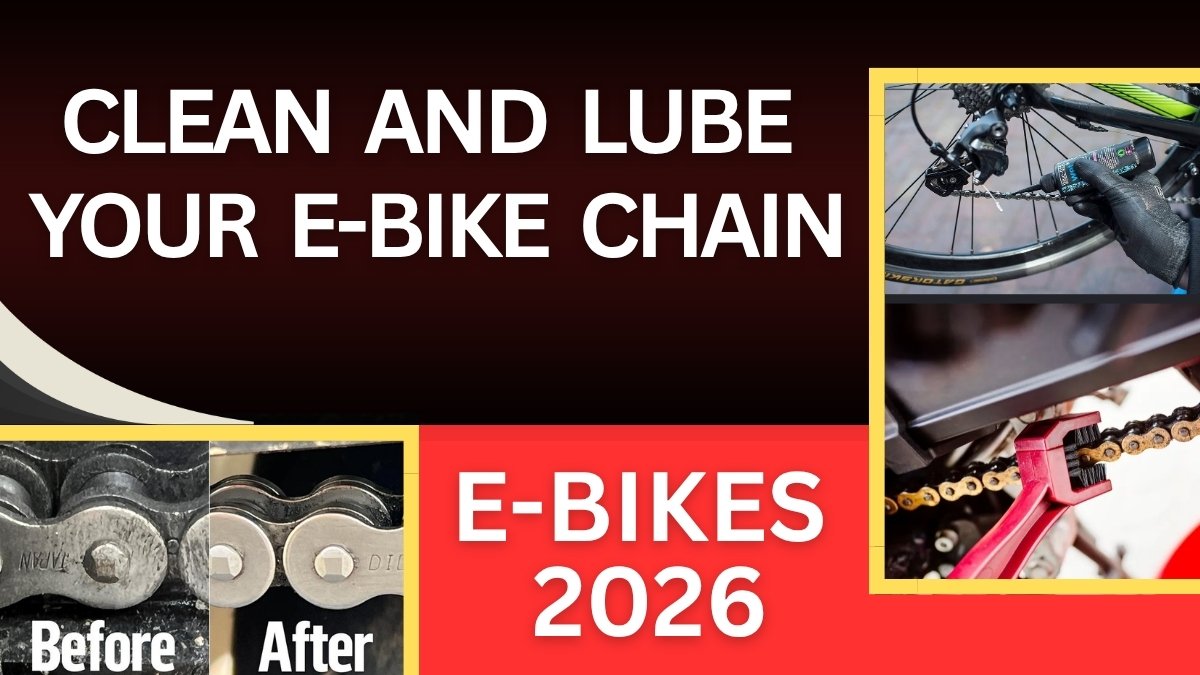
How to Properly Clean and Lube Your E-Bike Chain (Complete Drivetrain Care)

An electric bicycle drivetrain is subjected to far more physical wear than a standard traditional bike. When you combine human pedaling power with the immediate, high-torque assistance of a mid-drive or hub motor—often pushing past 85Nm of torque-your bike’s chain and rear cassette experience intense mechanical stress. Neglecting regular chain care quickly leads to a … Read more

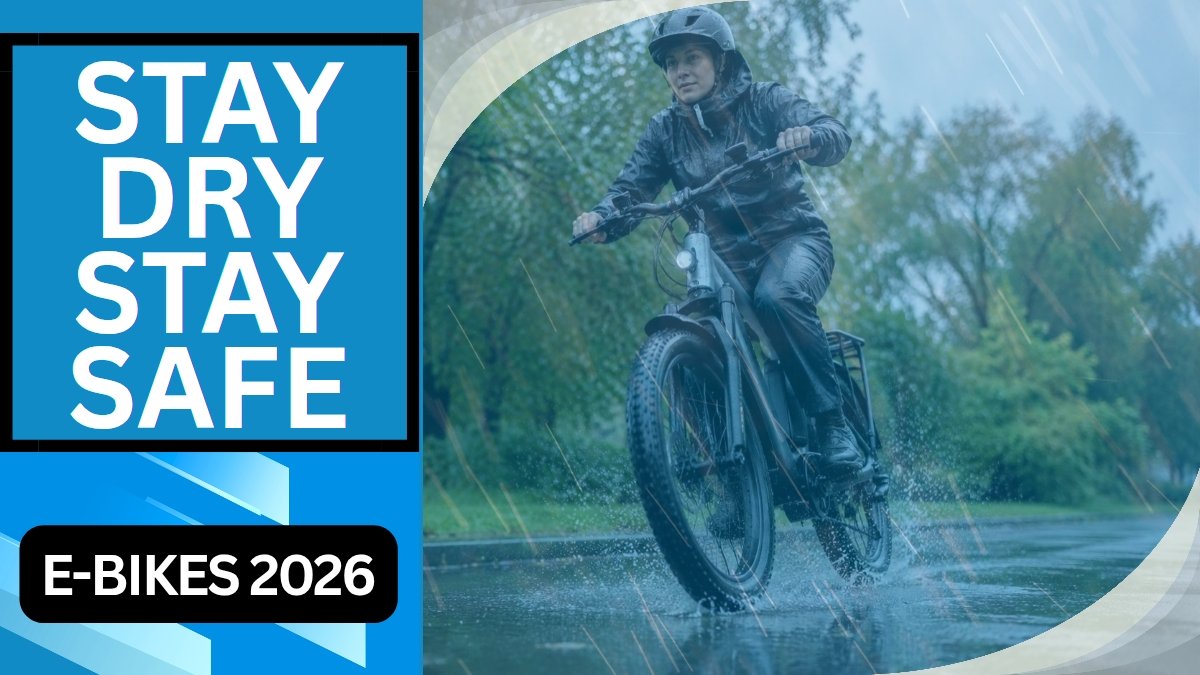
Riding an E-Bike in Rain: Safety Rules and Waterproofing Tips

Riding an electric bicycle in rainy weather provides a fast, sustainable way to commute without getting stuck in traffic. However, wet roads, reduced tire traction, diminished braking capacity, and electrical components demand careful preparation. Moisture can cause short circuits in electronic systems, while slick asphalt increases the risk of slipping. By applying strict wet-weather safety … Read more

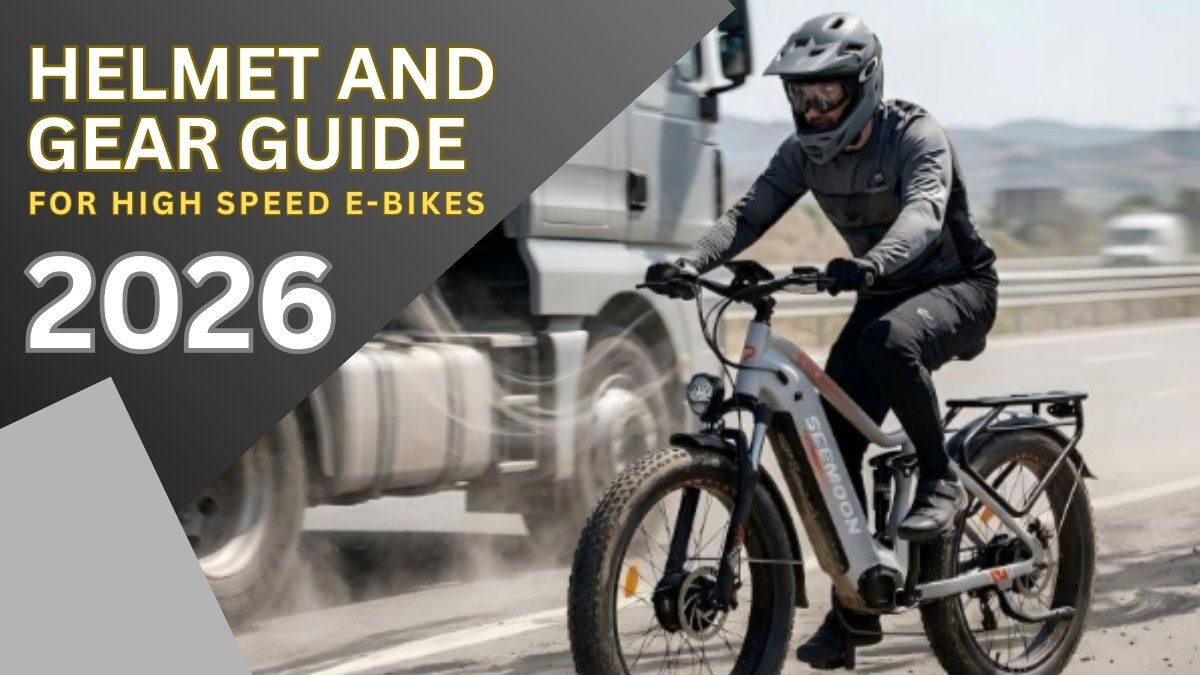
The Ultimate Safety Gear Guide for Fast E-Bikes and Speed Pedelecs

Riding a high-speed electric bicycle—whether it is a Class 3 model topping out at 28 mph or a heavy-duty moped-style e-bike—has revolutionized daily city travel. Yet, cruising at these elevated velocities introduces dramatic physical risks during a fall. Hitting the pavement at nearly thirty miles per hour generates roughly quadruple the impact force compared to … Read more