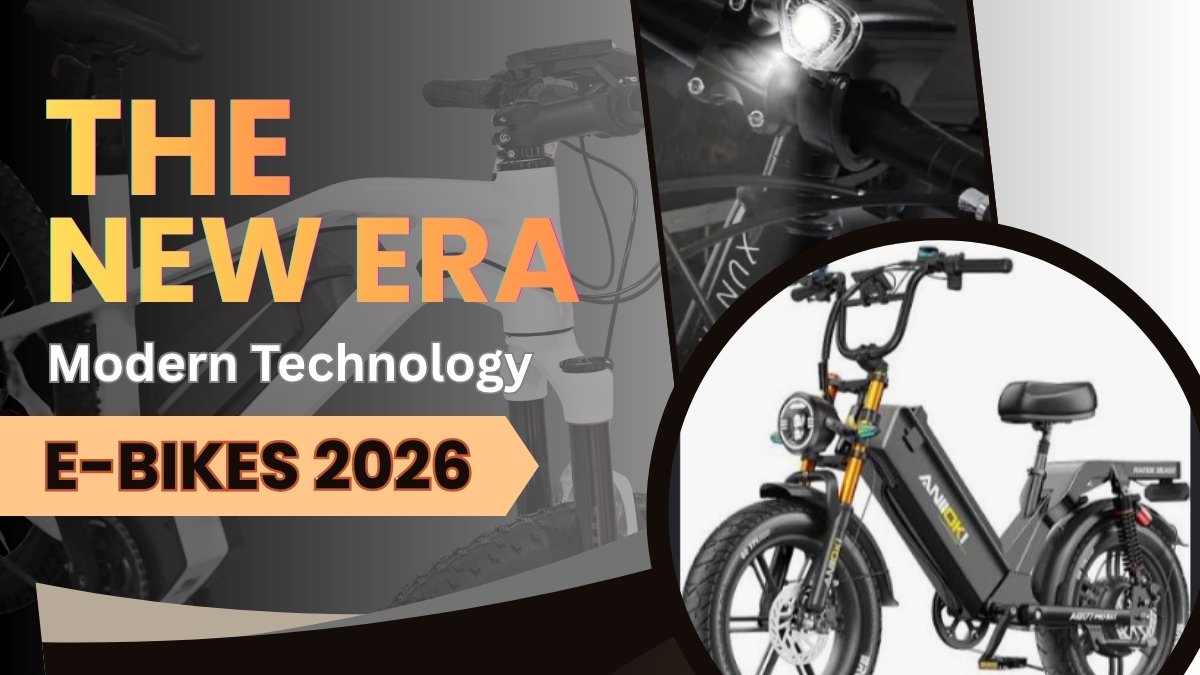
The electric bicycle industry in 2026 is undergoing a fundamental transformation. What began as a lightweight urban commuter movement has rapidly expanded into a dynamic, tech-heavy sector that bridges the gap between traditional cycling and modern automotive technology. Driven by major battery chemistry breakthroughs, intelligent connected platforms, and strict safety innovations, today’s e-bikes deliver unprecedented power, range, and user safety.
Whether you are an daily urban commuter, a long-distance cargo rider, or an off-road enthusiast, understanding the technological shifts defining the current market is essential. Here is a comprehensive, in-depth breakdown of the top e-bike technology trends to watch in 2026.
1. Next-Generation Energy Density and Solid-State Battery Tech
Battery capability has long been the primary bottleneck for electric micro-mobility. In 2026, energy storage technologies have advanced significantly, drastically reducing weight while elevating single-charge mileage limits.
The Rise of Solid-State Batteries and High-Density 21700 Cells
The widespread adoption of high-density 21700 lithium-ion cells—and the commercial entry of semi-solid-state battery architecture—has changed the landscape. Solid-state technology minimizes thermal volatility and significantly raises energy density per kilogram. E-bike frames can now house 52V to 72V energy packs without requiring bulky or unbalancing frame tubes, providing clean lines and superior weight distribution.
Intelligent Thermal Management and Smart BMS 2.0
Modern Battery Management Systems (BMS) are no longer passive circuit breakers. 2026 Smart BMS units feature active cell balancing, micro-thermal sensors, and real-time degradation monitoring. These systems continuously adjust power output based on ambient temperature and discharge stress, effectively doubling total battery lifespan and preventing dangerous thermal runaway events.
Ultra-Fast Charging Capabilities
Long charging times are becoming a thing of the past. Advanced 10A to 15A fast-charging protocols now allow high-capacity batteries to charge from 0% to 80% in as little as 30 to 45 minutes. Rapid chargers are increasingly standardized across major brands, allowing riders to top off their range during quick coffee breaks or lunch stops.
2. Artificial Intelligence and Adaptive Motor Control Systems
Motor performance in 2026 is defined less by raw wattage and more by intelligent power application. Artificial intelligence and machine learning algorithms now manage pedal assist to deliver an exceptionally smooth and intuitive ride.
Sensor Fusion and Predictive Pedal Assist
Modern e-bikes leverage sensor fusion—combining high-precision torque, cadence, speed, and incline sensors with AI processing units. Instead of delivering jerky power spikes when you pedal, the motor predicts how much power you need based on cadence, pedal pressure, and road gradient. The result is power delivery that feels like a natural extension of your legs.
Automatic Electronic Gear Shifting
Manual derailleur shifting is increasingly being augmented or replaced by automatic electronic internal hubs and mid-drive transmissions. Integrated systems automatically shift gears based on current speed, cadence, and hill gradient, ensuring you are always in the optimal gear without manually clicking levers or straining the drivetrain.
Dynamic Range Optimization
Integrated AI algorithms continuously analyze your destination route, terrain elevation profile, current weather conditions, and remaining battery percentage. The system dynamically scales back or boosts pedal-assist output in real time to guarantee you reach your destination without running out of power.
3. Connected IoT Infrastructure, GPS, and Anti-Theft Protection
E-bike theft has historically been a significant concern for owners. The 2026 generation of connected smart bikes uses multi-layered Internet of Things (IoT) hardware and satellite connectivity to secure vehicles globally.
Native GPS Tracking and Geofencing Alerts
Top-tier e-bikes now feature frame-embedded GPS and cellular modules powered by internal secondary backup batteries. Even if a thief removes the main propulsion pack, the internal GPS tracker remains active for weeks. Owners can set custom geofences via mobile apps, receiving instant push notifications if their bike moves beyond a designated perimeter.
Remote Motor Lockouts and Alarm Systems
In the event of unauthorized movement, remote immobilizers disable the electric motor controller electronically, rendering the bike unusable. Built-in motion sensors trigger high-decibel acoustic alarms and send live tracking feeds directly to the owner’s smartphone and local law enforcement networks.
Over-The-Air (OTA) Firmware Updates
Just like modern electric cars, 2026 smart e-bikes improve over time. Manufacturers release regular Over-The-Air (OTA) firmware updates via Bluetooth or cellular connectivity, optimizing motor efficiency, refining display interfaces, and patching security protocols without requiring a visit to a service shop.
Key Performance Overview: Older E-Bikes vs. 2026 Smart Models
| Feature / Tech Metric | Traditional E-Bikes (Pre-2024) | 2026 Smart E-Bikes |
| Battery Cell Tech | Standard 18650 Li-ion | High-Density 21700 / Semi-Solid State |
| Charge Time (0-80%) | 4 to 6 Hours | 30 to 45 Minutes (Fast-Charge) |
| Pedal Assist Sensor | Basic Cadence / Standard Torque | AI Sensor Fusion & Predictive Torque |
| Anti-Theft Hardware | External Cable / U-Locks | Integrated GPS, Cellular, & Remote Lock |
| Braking Systems | 2-Piston Mechanical / Hydraulic | Multi-Piston Hydraulic with ABS |
| Connectivity | Basic LCD / No App Link | Color IoT Smart Displays & OTA Updates |
4. Automotive-Grade Safety Features and Advanced Lighting
As e-bike speeds and traffic congestion rise, manufacturers are adopting automotive safety standards to protect riders on shared public roads.
Integrated Radar Detection and Blind-Spot Alerts
Rear-mounted millimeter-wave radar units are becoming standard on premium commuting models. These sensors detect vehicles approaching rapidly from behind—up to 150 meters away—and alert the rider through haptic handlebar vibrations or visual warnings on the digital display.
Anti-Lock Braking Systems (ABS)
Adapted from motorcycles, micro-ABS modules for e-bikes prevent front-wheel lockup during sudden emergency braking on wet asphalt, loose gravel, or ice. Multi-piston hydraulic brake calipers paired with heat-dissipating rotors provide consistent, controllable stopping power under high payloads.
High-Lumen Adaptive Headlights and Turn Signals
Visibility has progressed beyond simple clip-on lights. 2026 e-bikes feature high-lumen LED headlights with automatic high/low beam switching based on ambient lighting conditions. Integrated dynamic LED turn signals (front and rear) alongside deceleration-activated brake lights clearly signal rider intentions to surrounding motor traffic.
5. Aerospace Materials and Sustainable Modular Manufacturing
Frame engineering in 2026 focuses on reducing vehicle weight while maximizing payload capacities, structural rigidity, and long-term sustainability.
Ultra-Lightweight Carbon and Magnesium Alloys
Advanced structural frames utilize carbon fiber composites, 3D-printed titanium joints, and recyclable magnesium alloys. These materials maintain high structural strength while shedding up to 20% of overall weight compared to older aluminum frames, making bikes easier to lift and maneuver.
Modular Components and Right-to-Repair Architecture
Environmental impact and repairability are now major design considerations. Leading brands employ modular, quick-connect wiring harnesses and standardized battery housings. This plug-and-play architecture allows owners and technicians to easily replace individual wear items without replacing entire proprietary sub-assemblies.
Conclusion: The Future of Personal Micro-Mobility
The top e-bike technology trends of 2026 demonstrate that electric bicycles have matured into sophisticated, high-performance personal vehicles. By combining solid-state energy density, artificial intelligence, automotive safety systems, and global IoT connectivity, today’s e-bikes offer a reliable, eco-friendly, and thrilling alternative to traditional automobiles. As these innovations continue to scale across the market, e-bikes are cementing their role as a central pillar of modern urban and off-road mobility.