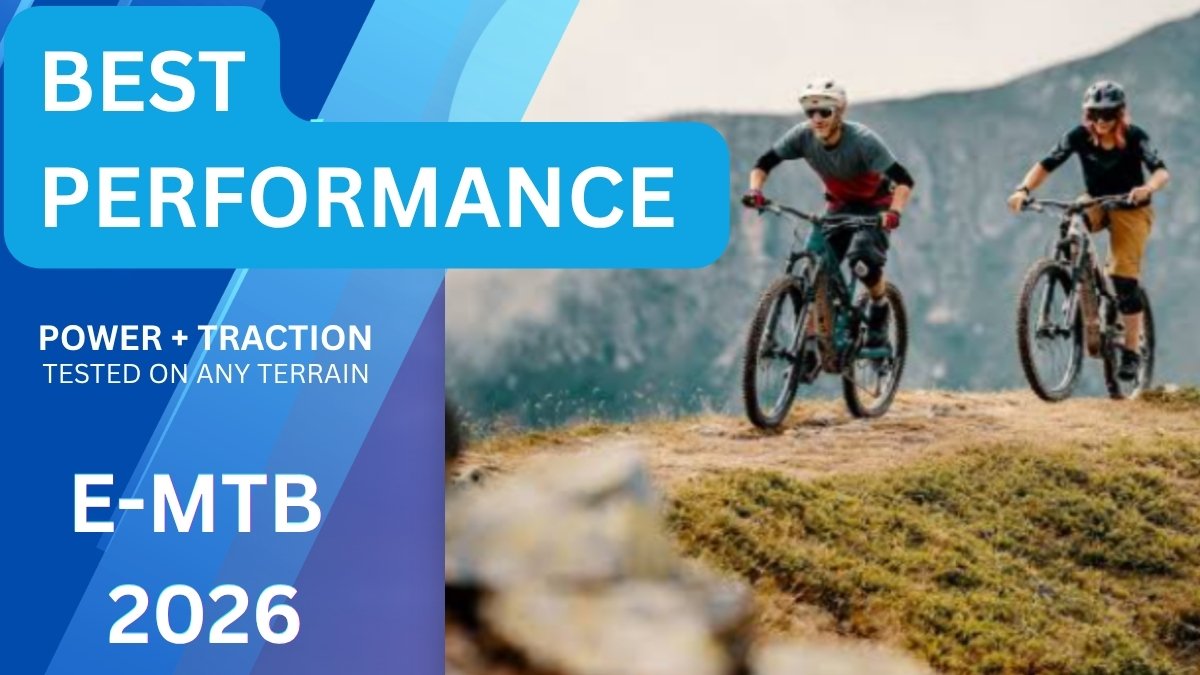
Electric Mountain Bikes (e-MTBs) have transitioned from a controversial niche to the dominant force in off-road cycling. The combination of high-torque electric motors, sophisticated battery integration, and advanced suspension geometry allows riders to conquer technical climbs, extend trail sessions, and handle aggressive descents. Evaluating an e-MTB requires an analysis of electrical power delivery, chassis dynamics, and real-world handling across varied off-road conditions.
1. Key Technical Criteria for Evaluating e-MTB Performance
Modern e-MTBs are defined by how cleanly their electric power blends with human pedaling input. Several key factors determine trail capability:
Motor Architecture & Power Curve
Mid-drive motors remain the industry standard because they center mass low on the frame. Systems delivering between 85Nm and 125Nm of torque provide the acceleration needed for steep ascents without spinning out traction.
Sensor Integration
Advanced e-MTBs rely on high-frequency torque and cadence sensors. Instead of simply blasting power when pedals turn, the system measures rider input thousands of times per second to deliver proportional, natural-feeling assistance.
Chassis Dynamics & Weight Distribution
Low-center-of-gravity frame engineering offsets the weight of the motor and battery (typically 40 to 55 lbs total). A balanced front-to-rear mass ratio prevents understeer in corners and maintains rear-wheel traction during seated climbs.
Suspension Kinematics
E-bikes compress suspension differently than non-electric bikes due to higher overall mass and sustained motor torque. Rear linkages are tuned with specific anti-squat characteristics to prevent efficiency loss under heavy acceleration.
2. Comparative Analysis: Leading e-MTB Categories
| Category | Motor & Battery Specs | Average System Weight | Primary Suspension Setup | Best Suited For |
| Full-Power E-Enduro | 85–125Nm Torque / 700–800Wh Battery | 48–55 lbs | 160mm–180mm Travel | Steep technical climbs, aggressive downhill terrain, and big mountain laps. |
| Lightweight SL (Super Light) | 50–60Nm Torque / 320–430Wh Battery | 36–42 lbs | 140mm–150mm Travel | Technical flow trails, playful handling, and riders transitioning from analog bikes. |
| All-Mountain Trail | 85Nm Torque / 600–750Wh Battery | 44–50 lbs | 140mm–150mm Travel | Balanced all-day riding, varied singletrack, and mixed-gradient routes. |
3. Comprehensive Terrain Performance Analysis
1. Technical Rock Gardens and Loose Slate
Navigating technical rock gardens tests frame rigidity, suspension compliance, and motor modulation simultaneously.
- Ascending Mechanics: When crawling over wet, uneven rocks, excessive motor lag or sudden power spikes will cause the rear tire to break traction. High-end systems utilize adaptive auto-assist modes that detect terrain resistance and deliver exact, micro-adjusted torque to prevent spin-outs.
- Descending Control: The added weight of an e-MTB becomes an asset here. The extra mass pushes the tires firmly into the ground, enhancing tracking stability through harsh rock strikes. However, riders must rely heavily on 4-piston hydraulic disc brakes paired with 200mm+ rotors to manage deceleration into sudden obstacles.
2. Steep Technical Climbs and Punchy Switchbacks
Conquering sharp vertical inclines is where an e-MTB completely redefines mountain biking.
- Power Application: Mid-drive motors multiply human cadence. Maintaining a smooth 70–90 RPM cadence yields optimal motor efficiency and prevents overheating during prolonged steep climbs.
- Geometry Impact: Modern e-MTBs feature steep effective seat tube angles (77°–78.5°). This shifts the rider’s weight forward over the bottom bracket, keeping the front wheel planted on steep ascents without forcing the rider to lean awkwardly over the handlebars.
3. Singletrack, Berms, and Tight Flow Trails
Cornering an e-MTB requires a refined approach compared to a traditional mountain bike due to the increased system mass.
- Cornering & Momentum: The physics of entering a high-speed berm on a 50 lb bike demand aggressive body positioning. Riders must push the bike down into the corner while keeping their body weight centered.
- Mixed-Wheel (Mullet) Configurations: Many modern e-MTBs run a 29-inch wheel up front for roll-over capability paired with a 27.5-inch wheel in the rear. This shorter rear center allows for snappier direction changes in tight, wooded switchbacks without compromising high-speed stability.
4. High-Speed Gravity Lines and Jumps
When descending fast jump trails and vertical drop-ins, structural integrity and suspension tuning are paramount.
- Suspension Bottom-Out Resistance: E-bikes hit jumps and compress into transitions with higher kinetic energy. Suspension setups require higher air pressures or additional volume spacers to provide progressive ramp-up, ensuring the shock does not bottom out harshly on landing.
- Air Time & Agility: Full-power e-MTBs feel planted and predictable in mid-air, though they require more physical force to whip or table compared to lightweight SL models.
4. Advanced Battery Management and Thermal Efficiency
Managing electrical efficiency on demanding off-road trails requires active monitoring.
Thermal Throttling Prevention
Sustained steep climbs in high ambient heat can strain electric motors. Modern e-MTBs utilize aluminum heat-sink casings and intelligent thermal throttling algorithms to dial back power slightly rather than shutting down completely when temperature spikes occur.
Range Extension Strategies
Riders tackling multi-thousand-foot elevation gains should optimize power modes. Switching to adaptive dynamic modes rather than lock-in Turbo mode preserves up to 30% more battery power over an all-day alpine excursion.
5. Essential Maintenance Practices for High-Performance e-MTBs
The combination of higher speeds, heavier total weight, and motor output subjects mechanical components to accelerated wear:
- Drivetrain Stress: Mid-drive motors exert high forces directly through the chain and cassette. Riders should shift gears sequentially under reduced pedal pressure rather than dumping multiple gears under full motor load. Using e-bike specific hardened steel chains extends drivetrain life significantly.
- Brake Systems: Inspect brake pads regularly for glazing and thermal wear. Mineral oil or DOT fluid should be bled annually to prevent lever fade caused by intense heat buildup on long descents.
- Battery Longevity: Lithium-ion batteries degrade if stored long-term at 100% or 0% charge. Maintain a 40%–60% charge state when the bike is unused for extended periods, and charge at room temperature.
6. Final Performance Verdict
Selecting the right e-MTB comes down to prioritizing either raw power or nimble handling:
- Choose a Full-Power E-Enduro if your primary goal is tackling steep technical climbs, maximizing total vertical elevation per ride, and charging down aggressive downhill terrain.
- Choose a Super Light (SL) E-MTB if you value agility, jump line maneuverability, and a riding feel that closely mirrors a traditional mountain bike with subtle hill assistance.