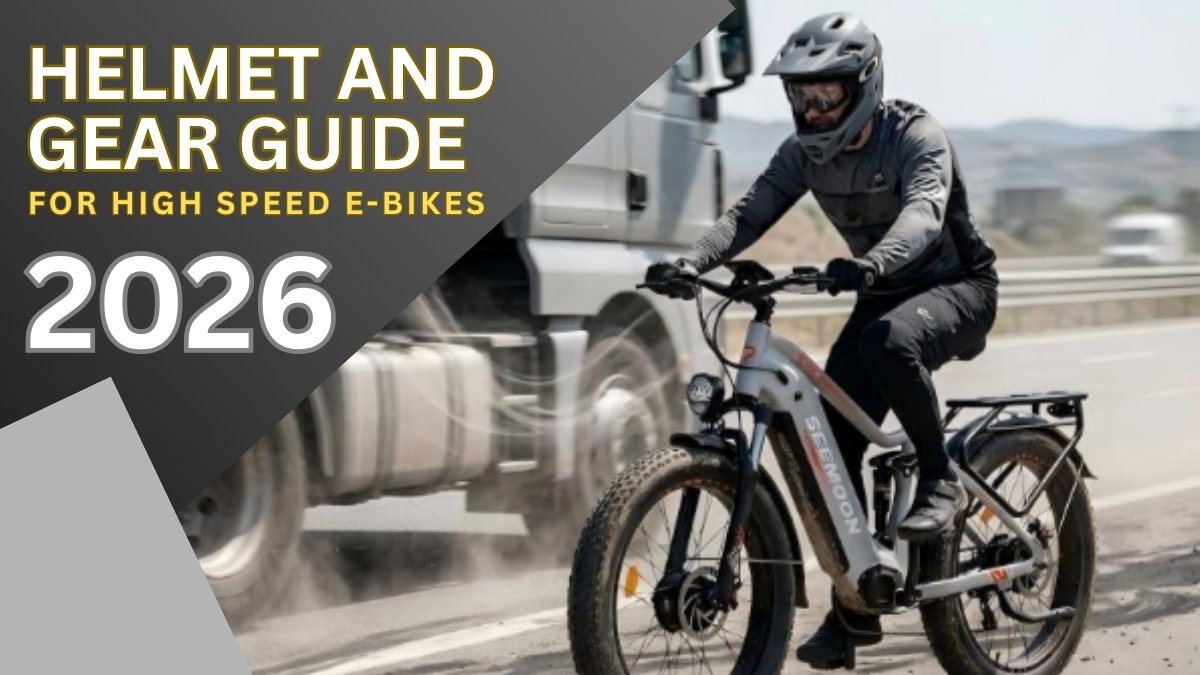
High-speed electric bicycles, particularly Class 3 e-bikes capable of pedal assistance up to 28 mph (45 km/h) and moped-style electric two-wheelers, have fundamentally transformed urban commuting and recreational riding. However, higher velocity drastically alters the physics of potential impacts. A kinetic energy collision at 28 mph generates nearly four times the force of a crash at a traditional cycling speed of 14 mph. Standard, lightweight bicycle helmets and casual clothing fall dangerously short of absorbing these high-energy impacts and resisting severe road rash.
Selecting gear specifically engineered for high-speed e-bikes requires balancing impact absorption, abrasion resistance, thermal comfort, and visibility. This comprehensive guide breaks down the essential criteria for outfitting yourself safely for high-speed riding.
1. Gear Safety Tier & Rating Overview
| Protective Item | Recommended Rating / Certification | Primary Hazard Mitigated | Recommended Construction Material |
| High-Speed Helmet | Dutch NTA 8776 or DOT / ECE | Traumatic brain injury & facial impact | In-molded EPS foam with polycarbonate or fiberglass shell |
| Riding Jacket | CE Level 1 or Level 2 (EN 17092) | High-speed road rash & joint impact | 600D Cordura, Kevlar-weave, or heavy leather |
| Riding Gloves | CE Level 1 KP (Knuckle Protection) | Palm scuffing, bone fractures & hand road rash | Leather palm with carbon fiber or TPU knuckle sliders |
| Eyewear | ANSI Z87.1 High-Impact Standard | Airborne debris, insects, wind burn & dust | Shatterproof polycarbonate lenses |
| Footwear | CE-rated or Reinforced Work Boot | Ankle rollover, crush injuries & foot abrasion | High-top leather with stiffened soles & ankle cups |
2. Choosing the Right Helmet: Standards Matter
A conventional bicycle helmet certified under CPSC (Consumer Product Safety Commission) in the US or EN 1078 in Europe is tested for impact speeds up to roughly 14 to 15 mph. For Class 3 high-speed e-bikes, you must upgrade your head protection.
NTA 8776 (The E-Bike Standard)
Developed in the Netherlands specifically for speed pedelecs, this rating tests helmets for impact speeds up to 28 mph (45 km/h). NTA 8776 helmets feature a thicker EPS foam liner, cover significantly more of the temporal and occipital (back of the head) areas, and absorb 87% more impact energy than standard bike helmets.
MIPS (Multi-directional Impact Protection System)
Always ensure your helmet incorporates MIPS or an equivalent rotational slip-plane technology. In high-speed falls, angled impacts cause rotational brain shearing; MIPS allows the helmet shell to rotate 10–15mm independently, reducing rotational force transferred to the brain.
Full-Face vs. Open-Face Design
While open-face NTA 8776 helmets work well for low-density commuter routes, full-face helmets (such as lightweight downhill mountain bike or motorcycle-style helmets) offer critical chin bar protection. Studies show that approximately 35% of all helmet impacts in bicycle and motorcycle crashes occur on the chin and lower jaw.
3. Upper and Lower Body Protection: Abrasion and Impact Resistance
At 28 mph, sliding across asphalt without protective apparel strips away skin layers instantly. Regular denim jeans tear through in less than half a second of sliding.
Jackets and Riding Shirts
- Abrasion-Resistant Fabrics: Choose jackets or armored riding hoodies constructed from 600D Cordura, Kevlar lining, or synthetic aramid fibers. These materials offer high tear strength and resist thermal friction during a slide.
- Integrated Armor: Look for jackets with integrated CE-rated armor at the shoulders, elbows, and back. Select CE Level 2 armor over Level 1 when possible, as Level 2 transmits significantly less force to your bones during an impact.
Riding Pants
Avoid lightweight athletic pants or standard denim. Opt for technical riding jeans reinforced with full aramid/Kevlar linings and removable CE-level knee and hip pads. These offer the visual appearance of everyday street clothing while providing critical slide protection.
4. Essential Accessories for High-Speed Safety
Beyond helmets and jackets, full body protection requires specialized accessory gear designed for fast commutes.
1. Hand Protection: Gloves with Slider Protection
When a rider falls, human instinct forces the hands out to break the impact. Unprotected palms striking pavement at 20+ mph suffer severe lacerations, scuffing, and scaphoid bone fractures.
- Full-Finger Coverage: Never wear fingerless gloves on a high-speed e-bike. Full-finger gloves protect fingertips and fingernails from road rash.
- Palm Sliders: High-quality e-bike gloves feature rigid TPU (Thermoplastic Polyurethane) or carbon fiber sliders on the lower palm base. Instead of catching on the asphalt—which snaps wrist bones—the hard slider allows your hand to slide smoothly over the road surface, distributing kinetic force safely.
- Reinforced Grip: Ensure the glove palm features synthetic leather or silicone grip printing to maintain firm control over the handlebars and throttle lever, even in wet conditions.
2. Eye and Face Protection
Air turbulence at 25–28 mph causes eyes to tear up, obscuring your vision. Furthermore, small airborne grit, dust, insects, or gravel kicked up by vehicles can cause instant eye injury or trigger a severe crash.
- Shatterproof Lenses: Standard optical glasses can shatter into sharp fragments upon impact. Choose glasses or goggles certified to ANSI Z87.1 high-velocity impact standards.
- Coverage and Coating: Select wraparound designs to block side-wind. Ensure the lenses feature an anti-fog coating so your vision remains clear when stopping at traffic lights in cold or humid weather.
- Photochromic Options: Photochromic (transition) lenses automatically adjust tint from clear at night to dark in bright sunlight, eliminating the need to carry multiple pairs of glasses for daytime and nighttime riding.
3. Proper Footwear for Stability and Ankle Support
Flimsy footwear like flip-flops, sandals, or canvas slip-ons should never be worn on a high-speed e-bike. The weight of a typical high-speed e-bike (often between 55 and 80 lbs) increases the risk of foot crush injuries if the bike falls sideways onto your leg.
- Stiff Soles: Shoes with rigid soles transmit power to the pedals effectively and prevent foot fatigue across long rides.
- Ankle Support: Choose high-top boots or motorcycle-specific riding sneakers that cover the ankle bone. Ankle cups protect against impact with the cranks, frame, or pavement during a fall.
- Lace Safety: Ensure footwear either utilizes a lace pocket, a BOA dial system, or a sturdy Velcro strap to keep loose laces from catching in the spinning chainring or disc brake rotors.
5. High Visibility and Urban Conspicuity
Because high-speed e-bikes travel faster than drivers expect a bicycle to move, motorists frequently turn directly across an e-bike’s path (the “right hook”). Gear choice plays a massive role in overcoming this visibility gap.
Passive Visibility
Choose outer layers with integrated 3M Scotchlite reflective panels positioned on moving parts (such as forearms and ankles). Moving reflective elements catch headlights far quicker than static chest panels.
Active Visibility
Supplement your bike’s onboard headlights with helmet-mounted LED lights. A helmet light sits above car roofs, ensuring your direction of gaze is clearly visible to drivers in crowded intersections.
Conclusion: Summary Checklist Before Hitting High Speeds
Before setting off on a high-speed e-bike commute, confirm your gear setup meets these basic benchmarks:
- Helmet carries an NTA 8776 or DOT/ECE safety certification label inside.
- Gloves feature full-finger coverage with padded palms and knuckle protection.
- Eye protection uses shatterproof, impact-resistant lenses.
- Jacket and pants contain abrasion-resistant aramid/Cordura lining and CE-rated impact pads.
- Footwear completely covers the ankle and features non-slip, stiffened soles.
Investing in proper, purpose-built protective equipment transforms high-speed e-biking from a high-risk activity into a safe, sustainable, and enjoyable commuting option.